Thermal bed bug remediation uses high-output electric or indirect-fired heaters paired with industrial circulation fans to raise the ambient room temperature between 122 and 135 degrees Fahrenheit. Bed bugs, including…
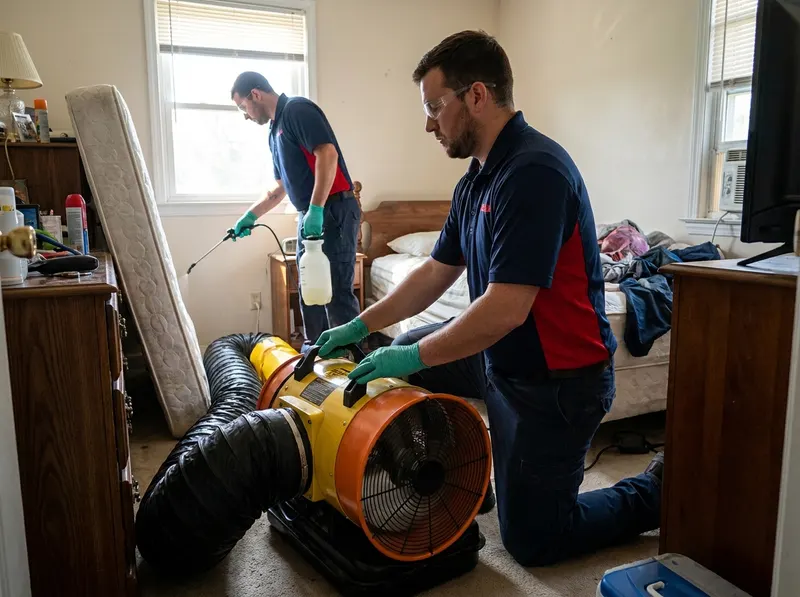
Thermal bed bug remediation uses high-output electric or indirect-fired heaters paired with industrial circulation fans to raise the ambient room temperature between 122 and 135 degrees Fahrenheit. Bed bugs, including desiccation-resistant eggs, die when exposed to 122 degrees Fahrenheit for 90 minutes; heating the structure to 135 degrees ensures core lethal temperatures penetrate deep into box springs, hardwood flooring seams, and wall voids. Because heat dissipates immediately once equipment is removed, pairing thermal remediation with an EPA-registered residual insecticide creates an ongoing defensive barrier. This residual layer neutralizes any stragglers returning from unheated perimeter dead zones or plumbing chases. The operational trade-off is thoroughness versus preparation: thermal treatments require extensive pre-service preparation, including removing heat-sensitive items such as aerosol cans, wax candles, and certain electronics, but it reduces the multi-week timeline of chemical-only protocols to a single operational day.
In older Wilmington building stock, such as Victorian-era properties in Cool Spring and Forty Acres or row homes in Quaker Hill and Baynard Village, structural architecture directly influences treatment logistics. Plaster-and-lath walls, shared party walls, and original hardwood subfloors provide deep, uninsulated voids where bed bugs seek harbor from standard surface sprays. Shared plumbing stacks common in multi-family buildings along Delaware Avenue and South Brandywine allow bed bugs to migrate laterally between apartments when unmonitored localized heat is applied. Thermal and residual protocols account for these pathways by establishing perimeter chemical bands along adjoining structural walls while monitoring temperature probes inserted into exterior-facing baseboards.
For detached residential properties in Wawaset Park, the Highlands, and Trolley Square, multi-room single-family layouts frequently feature high-density textile furnishing and finished basements. Chemical-only liquid applications require three to four sequential service visits spaced 14 days apart to target nymphs as eggs hatch, leaving residents exposed to bites between cycles. Thermal remediation neutralizes both adult bed bugs and eggs in a single 8-hour operation, while the applied perimeter microencapsulated residuals prevent re-introduction from luggage or visiting gear. A dedicated on-site assessment verifies room dimensions, electrical outlet capacity, and furniture density before deployment.
Every job gets a firm, written price after a free on-site visit.
Tell us about your bed bug thermal and residual remediation job in Wilmington and we'll send a clear, written quote, usually the same day.
 Calviro Pest Defense